
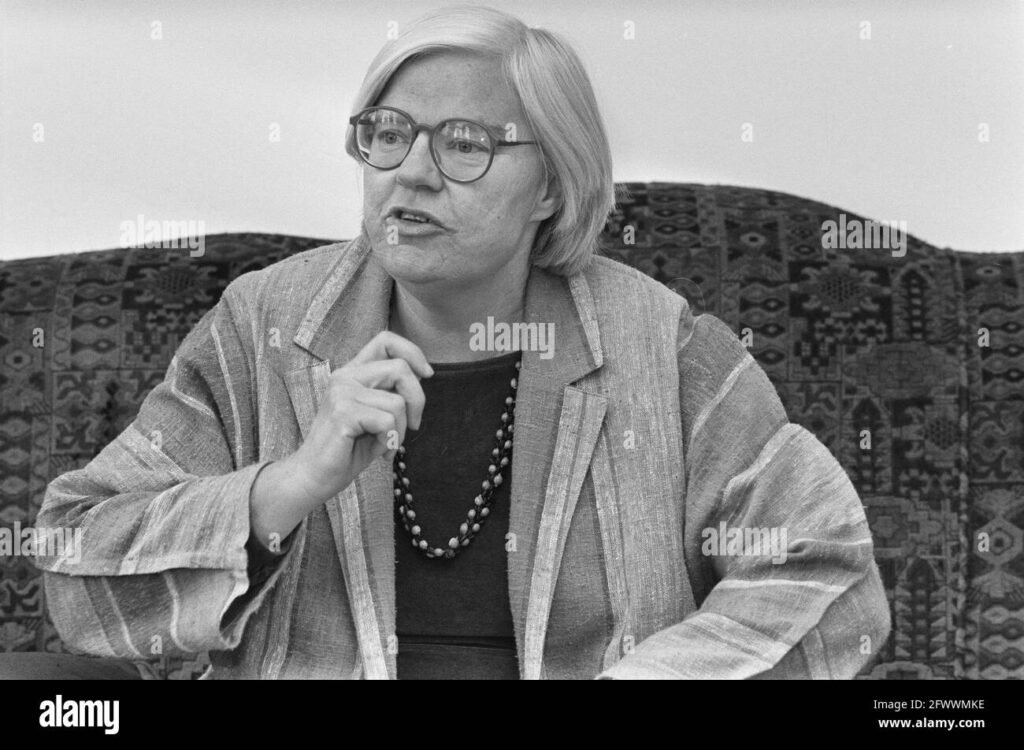

Heather Sutherland is an Australian historian whose research has focused on the social and economic history of Southeast Asia, particularly Indonesia and the Dutch colonial period. Her work has contributed to a deeper understanding of trade networks, local elites, and colonial administration in the region. For a complementary read on the same theme, see Dee Dee Gatton: Career Highlights and Musical Legacy
Academic Background and Career Path
Sutherland pursued her studies in history with a focus on Southeast Asia, eventually establishing herself as a respected scholar in the field. She has been affiliated with academic institutions in Australia, where she taught and mentored students in Asian studies and historical research methods. Her career spans several decades of sustained engagement with primary source materials drawn from Dutch colonial archives. A reference profile of the subject is maintained on Heather Sutherland (historian)
She held positions at the University of New South Wales, where she contributed to the development of Southeast Asian history curricula. Her teaching emphasized the importance of understanding local perspectives within colonial frameworks rather than relying solely on European administrative records. This approach distinguished her from many contemporaries who centered their analyses on metropolitan colonial powers.
Key Research Contributions by Heather Sutherland
Heather Sutherland is best known for her work on the economic and social structures of Java during the Dutch colonial era. Her research examined how indigenous trading networks operated alongside and sometimes in tension with colonial commercial interests. She published extensively on the role of Chinese merchant communities in Java, analyzing their intermediary position between Dutch authorities and local populations. A reference profile of the subject is maintained on Miriam Margolyes Wife | Inside Their 50-Year Romance
One of her significant contributions involved reinterpreting the “Cultivation System” period in Java, challenging earlier narratives that portrayed local populations as passive subjects. Her scholarship demonstrated how Javanese elites navigated colonial economic demands while maintaining their own social authority. This body of work influenced subsequent generations of historians studying colonial Indonesia.
She also contributed to broader debates about the nature of colonial capitalism in Southeast Asia, questioning whether European economic models could be applied uniformly across diverse local contexts. Her arguments encouraged more nuanced approaches to understanding economic change under colonial rule.
What Is Established and What Remains Debated
It is well established that Sutherland produced rigorous archival research grounded in Dutch-language primary sources. Her publications are cited in major works on Southeast Asian colonial history, confirming her standing within the academic community.
However, some aspects of her broader intellectual influence remain subject to interpretation. Scholars continue to debate the extent to which her reinterpretations of Javanese elite agency have been integrated into mainstream colonial historiography. While her work is respected, the degree to which it reshaped the field compared to other historians is a matter of ongoing scholarly discussion rather than settled consensus.
Why Her Work Matters for Understanding Colonial History
Sutherland’s research remains relevant because it pushed historians to look beyond official colonial documents and consider the perspectives of local populations. This methodological shift has had lasting effects on how scholars approach Southeast Asian history, encouraging the use of multilingual sources and attention to non-European actors.
For students and researchers entering the field today, her publications serve as important reference points for understanding the complexity of colonial economic systems. Her emphasis on indigenous agency continues to inform contemporary studies of colonialism across Asia and Africa, making her contributions part of a broader reevaluation of imperial history.