
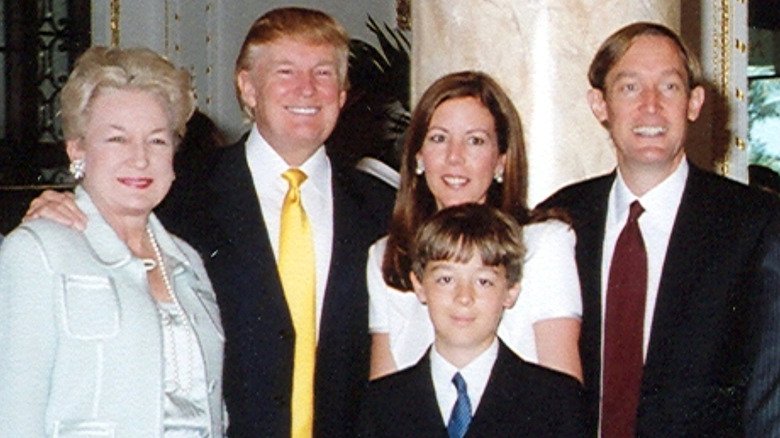

In 2002, Toronto police arrested a man whose DNA linked him to a 1999 murder. That man was David William Desmond, a serial killer who had evaded capture for decades. His case exposed systemic failures in how authorities handled missing persons from the gay community.
Comparing Desmond to Other Canadian Serial Killers
Desmond’s crimes share similarities with those of other Canadian serial killers like Bruce McArthur, who also targeted gay men in Toronto. Both men used bars and personal ads to find victims. However, Desmond’s killing spree spanned from 1975 to 1999, with a long gap, while McArthur’s murders occurred between 2010 and 2017. Unlike McArthur, Desmond pleaded guilty and did not go to trial. Public records covering this story are gathered in David William
What Is Confirmed and What Remains Unverified
He was sentenced to life with no parole for 25 years. However, some details remain unverified. For instance, police have investigated whether Desmond killed additional people, but no further charges have been proven. In 2021, a ninth murder charge from 1977 was stayed, leaving that case unresolved.
The Investigation and Arrest of David William Desmond
Desmond’s arrest came after a DNA match linked him to the 1999 murder of a man in Toronto. Investigators then connected him to seven other murders dating back to 1975. The victims were all gay men, many last seen in the Kensington Market area. Desmond often met them through personal ads or at bars. His guilty plea in 2003 spared the families a trial but left many questions about his motives and methods. Public records covering this story are gathered in Meet Maryanne Trump's Son, David William Desmond
Common Misconceptions About the Case
One misconception is that Desmond was caught quickly. In reality, he killed for over two decades before being identified. Another myth is that all his victims were from the gay village; some were from other parts of Toronto. The case is often cited as a turning point in police attitudes toward LGBTQ+ missing persons cases.
| Aspect | Detail |
|---|---|
| Full Name | David William Desmond |
| Born | July 27, 1953, Toronto, Ontario |
| Convictions | 8 counts of first-degree murder (2003) |
| Sentence | Life imprisonment, no parole for 25 years |
| Victim Profile | Gay men, often met through bars or ads |
| Status | Incarcerated in Ontario medium-security prison |
Frequently Asked Questions
Did David William Desmond have an accomplice or act alone?
All evidence points to Desmond acting alone. Police have found no credible evidence of an accomplice, though rumors have circulated. He never implicated anyone else during his guilty plea.
Who were the victims of David William Desmond?
Their names include John Spencer, Raymond Williams, and others. Police have released their identities to the public.
How many people did David William Desmond actually kill?
He was convicted of eight murders, but police suspect he may have killed more. In 2021, a ninth charge was laid but later stayed. The exact number remains unknown.
Is David William Desmond still in prison today?
Yes, Desmond remains incarcerated at a medium-security prison in Ontario. He is eligible for parole in 2028, but given the severity of his crimes, release is unlikely.
Where did David William Desmond commit his murders?
All murders occurred in Toronto, primarily in the Kensington Market area and the Gay Village. Some victims were last seen in bars or after responding to personal ads.
How the Case Changed Police Procedures in Toronto
The Desmond case prompted significant changes in how Toronto police handle missing persons reports involving LGBTQ+ individuals. Before his arrest, many victims were not taken seriously by law enforcement, partly due to homophobia and stereotypes about gay men. After the case, the Toronto Police Service established a dedicated liaison with the LGBTQ+ community and improved protocols for investigating disappearances. The case also led to the creation of a cold case unit that re-examined unsolved murders from previous decades. These reforms were further strengthened after the Bruce McArthur case, but Desmond’s crimes were the first to expose the systemic neglect.
Media Coverage and Public Perception of the Case
Media coverage of David William Desmond has evolved over time. Initially, the case received limited attention compared to other serial killers, partly because the victims were marginalized. However, after the McArthur case brought renewed focus to violence against gay men, journalists revisited Desmond’s story. Documentaries and true crime podcasts have since explored the case, highlighting the failures of the justice system. Public perception has shifted from viewing Desmond as a lone monster to understanding the broader societal context that allowed his crimes to go undetected for so long. The case remains a somber reminder of the consequences of prejudice in policing.