
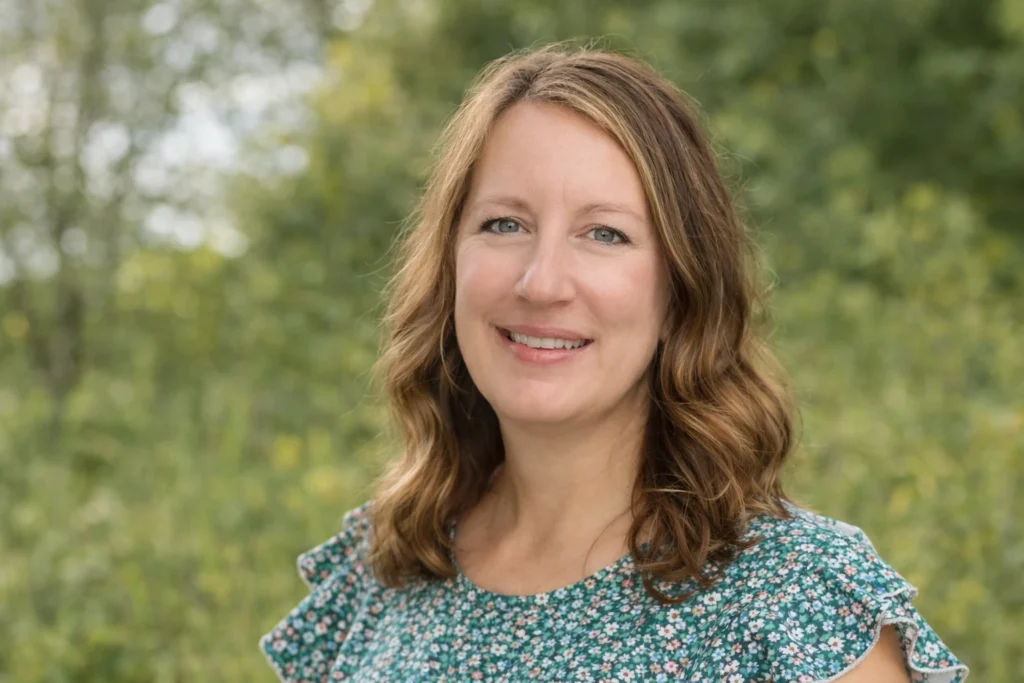

Julia Waterman is a documentary photographer whose work centers on marginalized communities and social justice issues. Her images reveal intimate moments of resilience, dignity, and struggle across diverse cultural landscapes. For a complementary read on the same theme, see Lucy Verasamy Partner: Who Is the ITV Weather Presenter Dating?
Early Career and Artistic Foundations
Julia Waterman began her photography career in the early 2000s, studying visual arts at the University of California, Santa Cruz. She later refined her technique through apprenticeships with established photojournalists in New York and Mexico City. A reference profile of the subject is maintained on Gilgo Beach serial killings
Her early projects focused on urban poverty and housing insecurity in U.S. cities. These formative experiences shaped her commitment to ethical storytelling and long-term engagement with subjects.
By 2008, she had contributed to several nonprofit campaigns, using her images to support advocacy around migrant rights and access to healthcare. Her photographs appeared in community newsletters and policy briefs, helping to humanize complex social issues. A reference profile of the subject is maintained on Dennis Waterman's daughter reveals tumult of her childhood with star
Documenting Global Communities Through Julia Waterman’s Lens
Waterman’s work spans multiple continents, with significant projects in Central America, Southeast Asia, and sub-Saharan Africa. She spent over two years documenting indigenous land rights movements in Guatemala, capturing both protest actions and daily life in rural villages.
In 2015, she traveled to refugee camps along the Myanmar-Bangladesh border, focusing on the Rohingya crisis. Her images from that period were exhibited in human rights forums and used by international aid organizations to raise awareness.
Her approach emphasizes collaboration. Waterman often works directly with local journalists and community leaders to ensure narratives remain authentic and respectful. This partnership model has become a hallmark of her practice.
She avoids sensationalism, instead highlighting quiet acts of resistance and cultural preservation. A series on women-led cooperatives in rural Kenya, for example, showcased economic agency without reducing subjects to symbols of victimhood.
What Is Confirmed and What Remains Unverified
Her work has been cited in academic studies on visual anthropology and media ethics.
However, details about her personal life remain private.
Some sources suggest she has taught workshops at universities in Canada and the UK, but institutional records do not consistently reflect these engagements. Her current base of operations is also unclear, though recent projects indicate ongoing work in Latin America.
Despite limited public visibility, her photographs continue to circulate through advocacy networks and educational platforms. This grassroots reach underscores the impact of her work beyond traditional art institutions.
Why Ethical Storytelling Matters in Documentary Photography
Waterman’s career illustrates the evolving role of photographers as both observers and advocates. In an era of digital saturation, her commitment to slow, immersive documentation offers a counterpoint to rapid news cycles.
Her images challenge viewers to see beyond stereotypes, fostering empathy through sustained attention. This method aligns with broader shifts in documentary ethics, where consent, context, and collaboration are prioritized over spectacle.
For emerging photographers, her work demonstrates how visual storytelling can support social change without exploiting subjects. It also highlights the importance of long-term relationships in building trust and depth.
As climate displacement and political unrest increase globally, photographers like Waterman provide essential records of human adaptation and resistance. Their archives may one day serve as historical evidence of communities at risk.
Her influence extends beyond galleries and publications. Educators use her photographs to teach media literacy, while activists reference her projects when designing outreach campaigns. This cross-sector relevance underscores the enduring value of ethical visual documentation.