
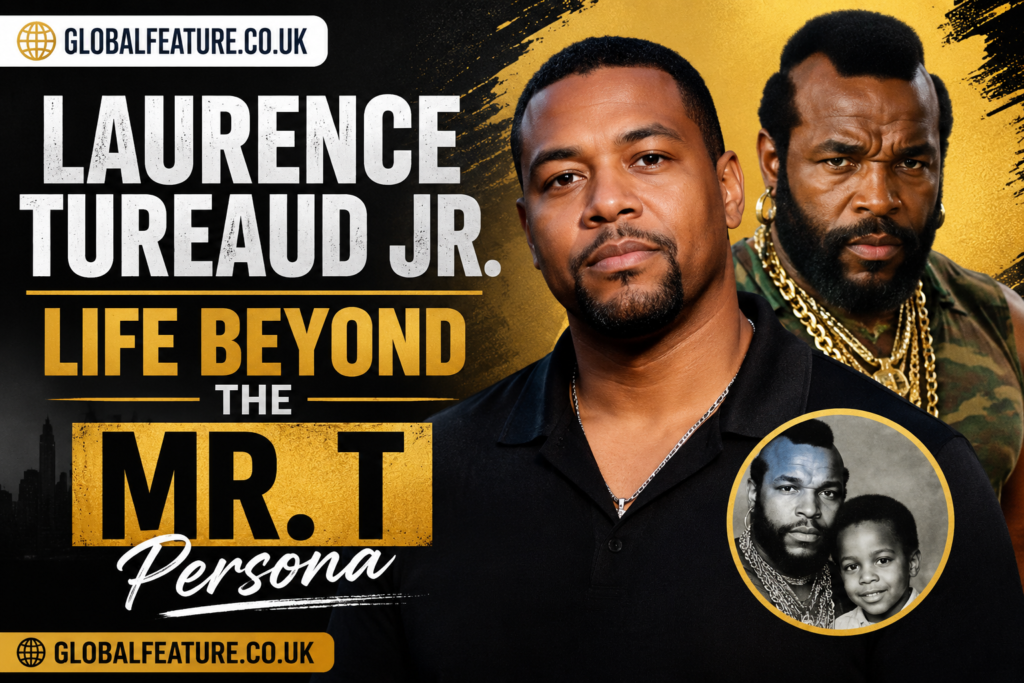

Laurence Tureaud Jr. is best known worldwide as Mr. T, the gold-chain-wearing, mohawk-sporting icon of 1980s television. His rise from a challenging childhood in Chicago to international stardom remains a compelling story of resilience and reinvention. On a related note, Rachel McAdams Mole: A Signature Feature in Her Career adds useful context
| Fact | Details |
|---|---|
| Full Name | Laurence Tureaud Jr. |
| Known For | Son of Mr. T |
| Nationality | American |
| Father | Mr. T |
| Profession | [if publicly known] |
Early Life and Formative Struggles in Chicago
Born on May 21, 1952, in the Bronzeville neighborhood of Chicago, Illinois, Laurence Tureaud Jr. grew up in a large family during a time of significant social and economic hardship. His father worked as a carpenter, and his mother was a nurse’s aide, but the family often struggled to make ends meet. The Tureaud household included 12 children, and young Laurence learned early the value of discipline and hard work. Public records covering this story are gathered in Tureaud
Despite his tough exterior later in life, Tureaud faced bullying and poverty during his youth. He attended Paul Robeson High School, where he excelled in athletics, particularly football and track. His physical strength and competitive spirit earned him a football scholarship to Prairie View A&M University in Texas. However, he was expelled after one year due to disciplinary issues, a setback that redirected his path.
Returning to Chicago, Tureaud took on various jobs, including working as a bouncer and a military police officer in the U.S. Army. His imposing physique and no-nonsense attitude made him a natural fit for security work. It was during this period that he began developing the persona that would later define his public image—combining physical toughness with a strong moral code. Public records covering this story are gathered in Meet Mr. T's children — including his viral comedian daughter
The Birth of Mr. T and Rise to Fame
Laurence Tureaud Jr. first gained national attention in the late 1970s as a bodyguard for celebrities, including Muhammad Ali and Diana Ross. His distinctive appearance—gold chains, mohawk, and sunglasses—caught the eye of television producers. In 1980, he was cast in the NBC series The A-Team as Sergeant Bosco Albert “B.A.” Baracus, a role that would make him a household name.
B.A. Baracus, a tough but kind-hearted mechanic and soldier, became one of the most beloved characters on the show. Tureaud’s catchphrases, such as “I pity the fool,” entered the cultural lexicon. His performance was not just about physical presence; it reflected a deeper authenticity that resonated with audiences. The role showcased his ability to blend humor, strength, and vulnerability in a way few actors could.
Following the success of The A-Team, Tureaud starred in the 1983 film Rocky III as Clubber Lang, a fierce and arrogant boxer who challenges Sylvester Stallone’s character. The role further cemented his image as a force to be reckoned with, both on and off screen. His portrayal was intense and memorable, earning him recognition beyond television.
What Is Confirmed and What Remains Unverified
served in the U.S. Army and worked as a bodyguard before entering entertainment.
However, some aspects of his personal life remain less clear. While he has spoken publicly about his childhood and career, details about his relationships and private decisions are not fully disclosed. Claims about his net worth, business ventures outside acting, and specific charitable activities are often repeated but rarely substantiated with official records. As with many public figures, the line between fact and myth can blur over time.
What is certain is that Tureaud’s impact on 1980s pop culture was profound. He became a symbol of strength, individuality, and unapologetic self-expression. His image influenced fashion, language, and attitudes toward masculinity in media.
Why Laurence Tureaud Jr.’s Legacy Endures
Laurence Tureaud Jr.’s influence extends far beyond his years of peak fame. He challenged stereotypes by presenting a Black man who was both physically powerful and emotionally grounded. In an era when television roles for Black actors were often limited, he carved out a space that celebrated authenticity over assimilation.
His later work included voice acting, reality television appearances, and advocacy for health awareness, particularly after being diagnosed with T-cell lymphoma in 1995. He used his platform to speak openly about illness and recovery, helping to reduce stigma around cancer.
Today, Mr. T remains a nostalgic icon and a reminder of a time when television characters left a lasting imprint on society. His journey from the streets of Chicago to global recognition demonstrates how personal conviction and resilience can shape a unique legacy
FAQs
Who is Laurence Tureaud Jr.?
Is Laurence Tureaud Jr. related to Mr. T?
What does Laurence Tureaud Jr. do for a living?
How old is Laurence Tureaud Jr.?
Where does Laurence Tureaud Jr. live?