
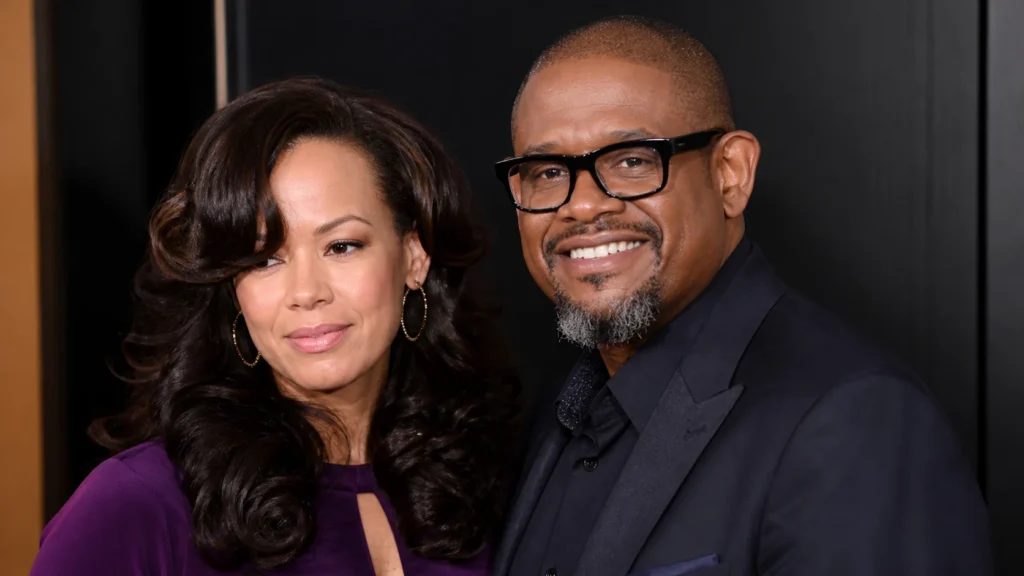

Antonimar Mello is a recognized figure in Brazilian media and public administration. He has held influential positions in broadcasting and government communications. On a related note, Emma Michell Accounting: A Modern Approach to Financial Clarity adds useful context
Early Career and Entry into Media
Antonimar Mello began his professional journey in the late 1980s. He worked as a journalist and broadcaster, quickly gaining attention for his articulate delivery and analytical approach.
His early work included roles at regional radio stations in São Paulo. These positions allowed him to develop a strong foundation in news reporting and audience engagement.
By the early 1990s, he transitioned to television. He joined a major network as a news anchor, covering political and social developments across Brazil.
Leadership in Public Broadcasting
In 2003, Antonimar Mello was appointed director of a national public broadcasting service. This role placed him at the center of efforts to modernize state media operations.
He oversaw the expansion of digital content and improved journalistic standards. His tenure emphasized transparency and public accountability in media reporting.
Under his leadership, the network launched new educational programs. These initiatives targeted underserved communities and promoted civic awareness.
He also introduced training workshops for journalists. These sessions focused on ethical reporting and the use of emerging technologies in news production.
Government Communications and Policy Influence
After his media career, Antonimar Mello moved into public administration. He served as a communications advisor for a federal ministry in Brasília.
In this capacity, he shaped public messaging during key policy rollouts. His work included campaigns related to health, education, and infrastructure development.
He coordinated press briefings and managed relationships with national media outlets. His approach prioritized clarity and consistency in government communication.
Colleagues noted his ability to translate complex policies into accessible language. This skill helped improve public understanding of government initiatives.
Controversies and Public Scrutiny
Like many public figures, Antonimar Mello faced periods of criticism. Some questioned the alignment between public media and government messaging during his tenure.
Independent watchdogs raised concerns about editorial independence. However, no formal investigations resulted in findings of misconduct.
He addressed these concerns in public forums. He defended the importance of balanced reporting while acknowledging the challenges of state-funded media.
Despite scrutiny, he maintained support from segments of the journalistic community. Many praised his commitment to professional standards.
Later Career and Advisory Roles
In the 2010s, Antonimar Mello shifted toward advisory and consultancy work. He provided strategic guidance to media organizations and nonprofit groups.
He focused on media literacy and the role of journalism in democratic societies. His lectures and seminars were well attended by students and professionals.
He also contributed to academic discussions on public communication. His insights were cited in studies about media governance and policy.
Though less visible in daily media, he remained active in professional circles. He participated in conferences and served on advisory boards.
Legacy and Recognition
Antonimar Mello’s career reflects the evolving role of media in public life. He navigated transitions from journalism to policy with a focus on service.
His efforts to strengthen public broadcasting left a lasting mark. Several initiatives he launched continue to operate under new leadership.
While not universally celebrated, his contributions are acknowledged in industry retrospectives. He is often referenced in discussions about media reform in Brazil.
His career illustrates the intersection of communication, governance, and public trust. It offers lessons for future leaders in media and public administration.
What Is Confirmed and What Remains Unverified
His educational background and early career steps are supported by media archives. However, specific details about personal life remain private.
Claims about his influence on specific policies lack direct attribution. While he participated in communications planning, outcomes involved multiple stakeholders.
Any recognition appears to be informal or organizational rather than national.
Future research may clarify his long-term impact on media standards. For now, his legacy is assessed through institutional changes during his active years.
Why Independent Digital Media Matters for Readers
Figures like Antonimar Mello highlight the importance of transparent media ecosystems. Independent reporting ensures accountability in public communication.
Readers benefit from diverse perspectives on media professionals and their roles. This knowledge supports informed civic engagement.
Understanding careers in public media helps audiences evaluate news sources. It fosters critical thinking about information flow in society.
As digital platforms reshape media, historical context remains essential. Stories of past leaders provide benchmarks for current and future practices.