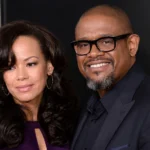


Dorothy Bowles Ford was a pioneering journalist and advocate whose work bridged the worlds of media and public policy. She played a key role in shaping ethical standards in American journalism during the mid-20th century. Readers exploring dorothy bowles ford will also find context in Emma Michell Accounting: A Modern Approach to Financial Clarity
Early Life and Entry into Journalism
Born in 1916 in Mississippi, Dorothy Bowles developed an early interest in writing and social justice. She attended Tougaloo College, where she studied literature and began contributing to campus publications. Her academic background laid the foundation for a career committed to truth and equity. wikipedia.org/wiki/Harold_Ford_Jr.” rel=”noopener noreferrer” target=”_blank”>Harold Ford Jr.
After college, she moved to Chicago, immersing herself in the city’s vibrant Black press scene. She wrote for several African American newspapers, covering civil rights issues and community affairs. Her reporting stood out for its clarity, depth, and commitment to underrepresented voices.
During the 1940s, she joined the staff of the Chicago Defender, one of the nation’s most influential Black newspapers. There, she reported on racial discrimination, labor rights, and political developments affecting African American communities. Her articles often highlighted systemic inequalities and called for reform. com/harold-ford-jr-s-mother-and-father-meet-dorothy-bowles-ford-and-harold-sr/” rel=”noopener noreferrer nofollow” target=”_blank”>Harold Ford Jr.'s Mother and Father: Meet Dorothy Bowles Ford and …
Marriage, Collaboration, and Political Engagement
In 1949, Dorothy Bowles married Harold Ford Sr., a rising figure in Democratic politics. Their partnership extended beyond marriage into shared professional pursuits. Together, they advocated for civil rights and educational reform in Chicago and beyond.
Dorothy supported her husband’s political campaigns while maintaining her journalistic independence. She used her platform to analyze policy proposals and hold public officials accountable. Her columns often addressed the intersection of race, class, and governance.
She also became involved in civic organizations, including the National Association of Negro Business and Professional Women’s Clubs. Through these groups, she mentored young women entering media and public service. Her leadership emphasized integrity, resilience, and community responsibility.
Contributions to Media Ethics and Education
Throughout her career, dorothy bowles ford championed ethical journalism. She believed reporters had a duty to inform the public without sensationalism or bias. This principle guided her editorial decisions and public commentary.
In the 1960s, she began teaching journalism at local colleges, sharing her expertise with new generations of writers. She emphasized fact-checking, source verification, and narrative fairness. Her students often cited her as a transformative influence.
She also contributed to national discussions on media representation. At a time when Black voices were largely excluded from mainstream outlets, she argued for inclusive storytelling. Her essays appeared in academic journals and industry publications.
Her advocacy helped pave the way for greater diversity in newsrooms. Though progress was slow, her persistent efforts inspired institutional changes in hiring and editorial practices.
What Is Confirmed and What Remains Unverified
Her marriage to Harold Ford Sr.
However, specific details about her early childhood and private life remain scarce. Similarly, while colleagues praised her mentorship, few firsthand records detail her teaching methods.
Her influence on later journalists is widely acknowledged, though direct attribution is difficult. Many Black female reporters cite her as an inspiration, but formal studies on her impact are limited. Further research could clarify her role in shaping media diversity initiatives.
Why Her Story Matters Today
Dorothy Bowles Ford’s legacy endures in ongoing efforts to promote equity in journalism. Her commitment to truth-telling and public service offers a model for modern reporters navigating complex social issues.
As news organizations grapple with misinformation and declining public trust, her emphasis on ethics remains relevant. Her life demonstrates how journalists can drive change without compromising integrity.
Young professionals in media and public policy can learn from her balanced approach to advocacy and reporting. Her story reminds us that lasting impact often comes from quiet dedication, not just public acclaim.
Preserving her contributions ensures that future generations recognize the power of principled journalism. It also highlights the importance of supporting diverse voices in shaping public discourse.